
Operator IntelligenceUganda
Before the Brand, the Research
How do you build a tourism brand for a new operator in a culturally specific region — one that means something to local stakeholders and communicates clearly to international visitors who know nothing about the context?
The Problem With Designing Without Understanding
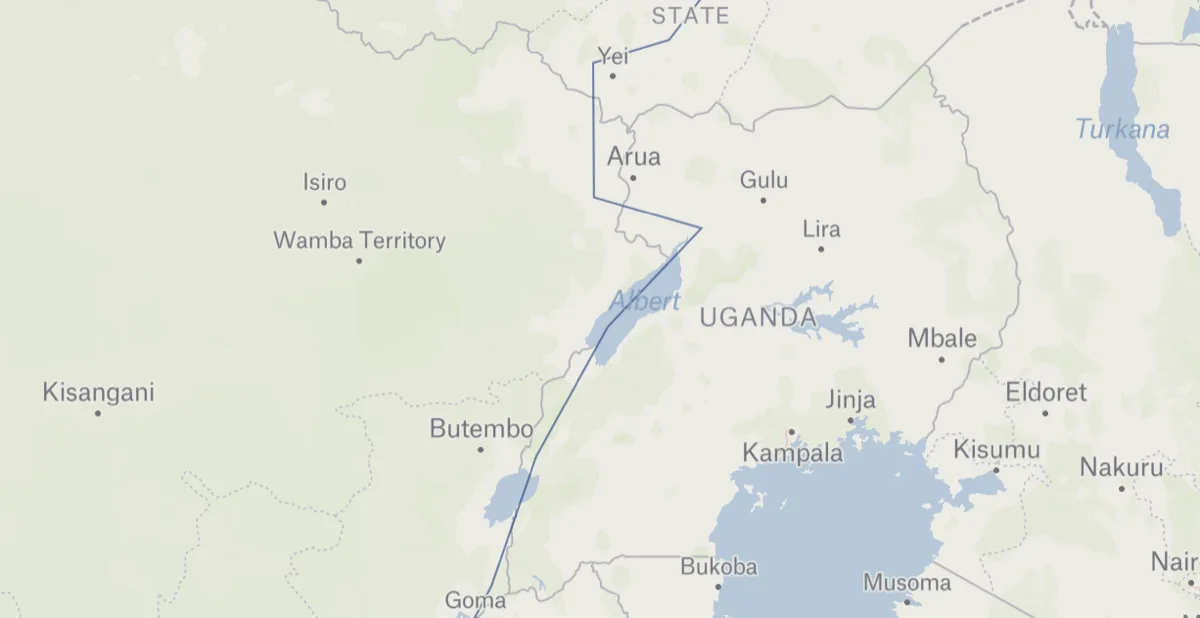
West Nile Uganda is not a well-known safari region. That's partly the opportunity — an operator working there genuinely has something different to offer — and partly the challenge. A brand identity for an operator in a region travelers don't know requires doing more work, not less, to establish what makes it specific and worth choosing.
The shortcut is to reach for convention: wildlife photography, ochre tones, the visual vocabulary of East African tourism that signals "safari" to an international audience without saying anything particular about this place. The result is a brand that looks the part but doesn't distinguish.
For Miombo Safaris, the brief was to build a brand identity that was genuinely specific to the West Nile region — meaning it couldn't be built until the research into that specificity had been done.
What the Research Established
The first phase was entirely about understanding, not designing.
The West Nile region has a specific natural character distinct from the wildlife circuits that dominate Uganda's tourism narrative — Bwindi, Queen Elizabeth, Murchison Falls. The Miombo woodland ecosystem, which gives the operator its name, is ecologically specific and not found in the more heavily visited parts of the country. The White Rhino, once extinct in Uganda and now being reintroduced in the region at Ziwa Rhino Sanctuary, carries genuine symbolic weight — not just as a wildlife attraction, but as a story of conservation and return.
These weren't design choices. They were research findings. The brand identity was built from them rather than applied over them.
Understanding the region's cultural context — the significance of particular symbols, the values that local stakeholders associated with the landscape and their communities — was equally important. A brand that appropriated visual elements without understanding their meaning would have been immediately identifiable as hollow to the people it was supposed to represent.
What the Brand System Did With the Research
The visual identity placed the White Rhino and the Miombo ecosystem at the center of a system that was designed to work simultaneously for two different audiences.
For local stakeholders and Ugandan travelers, the references were specific and grounded — recognizable as representing this region, not a generic version of East Africa. The color palette drew from the actual landscape: the grassland and woodland tones of the West Nile, not the interpolated safari browns that work anywhere and signal nothing particular.
For international visitors, the system was built to communicate something distinct — a safari experience that wasn't interchangeable with others, in a region with a genuine story. The brand could carry that story in contexts where there was space to tell it, and stand alone as a recognizable identity when context wasn't available.
Primary and secondary logo variants, social media optimized versions, horizontal adaptations, and a documented color system gave the operator the flexibility to apply the identity to contexts that didn't yet exist at the time of development — without requiring redesign every time a new application was needed.
The Principle Behind the Approach
Tourism brands built for culturally specific places are either specific or generic. Specificity requires research — into what makes a place distinctive, what its symbols actually mean, who the stakeholders are and what resonates with them. Generic brands require only convention and pattern-matching.
The generic approach is faster and cheaper. It also produces brands that compete in a race to the bottom against every other operator using the same visual vocabulary. The Miombo Safaris brief was an argument for the other approach: take the time to understand the place, and let the brand come from that understanding.
Key Findings & Learnings from Uganda
Key findings
The Brand Symbols Had to Be Earned, Not Invented
The White Rhino and the Miombo woodland ecosystem are both real and specific to the West Nile region — not generic 'African' motifs but elements with grounded local significance. Identifying them as the right brand anchors required research into what was distinctive about the region, not a mood board exercise.
Local Stakeholder Resonance Is a Quality Signal
A tourism brand that local people recognize and identify with is making a claim about authenticity that marketing alone can't sustain. When the brand identity landed well with West Nile stakeholders — who recognized the cultural references — it validated the research process, not just the design output.
International Accessibility Requires a Different Kind of Translation
Cultural symbols that carry weight locally don't automatically communicate to an international audience. The brand system had to work at both levels — specific enough to be meaningful to people from the region, accessible enough that a visitor from Europe could understand what it stood for without the backstory.
Key learnings
Tourism Branding Without Cultural Research Produces Generic Results
The alternative to doing the research is a brand that looks generically East African — the right color palette, the right wildlife silhouettes, completely interchangeable with dozens of competitors. Specific, grounded cultural research is what produces the kind of brand specificity that can't be copied without context.
Brand Assets Need to Work Across Different Audiences Simultaneously
Miombo Safaris needed to operate in two markets at once: the international visitors who would book and pay, and the local communities whose buy-in determined whether the operator's cultural positioning was credible. A brand system that served only one of those audiences would have undermined the other.
Flexibility Has to Be Built In, Not Added Later
A new operator's brand will be applied to contexts that don't exist yet — social media formats that haven't been prioritized, collateral for experiences still in development. Building variation and flexibility into the system from the start is cheaper and more coherent than adapting a rigid identity later.